In Johns Creek, healthcare is a primary economic driver. But a facility is only as safe as its cleaning protocol. Whether it's a high-traffic pediatric clinic on Medlock Bridge or a quiet senior living community, we deliver "Terminal Clean" standards that protect patients, staff, and your reputation.
The Care Ecosystem
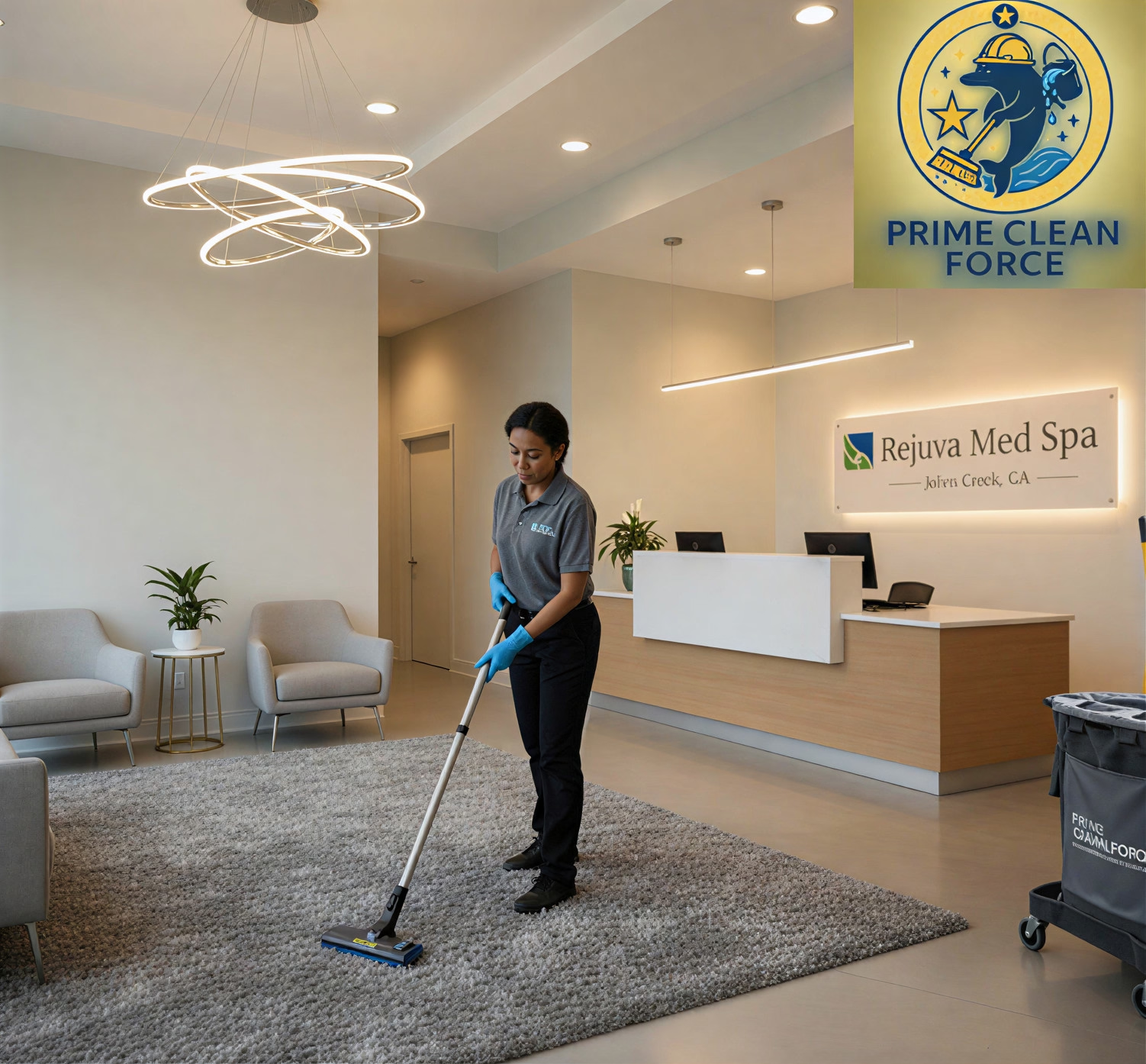
The Sterile Chain of Custody
In clinical environments, cross-contamination is the primary risk vector. We strictly enforce a "Chain of Custody" for all equipment, ensuring tools only move from clean zones to dirty zones—never the reverse.
Zone 1: The Clean Field
Waiting rooms, reception, and non-clinical corridors.
- Blue Microfiber Only: Dedicated cloths that never enter restrooms or bio-waste areas.
- Visual Aesthetics: Focus on glass clarity, dust-free vents, and welcoming entryways.
- Barrier Protection: Sanitizing sign-in tablets and pens to stop germs at the front door.
Zone 2: Critical Control
Exam rooms, operatories, and restrooms.
- Red/Yellow Protocol: High-risk color coding for toilets and bio-waste proximity.
- Single-Use Logic: Mop heads and cloths are bagged and sealed immediately after use in a critical zone.
- Terminal Standard: Top-down disinfection of light arms, counters, and sink traps.
The Healthcare Back-Office: Tech Park Protocols
Johns Creek is home to numerous healthcare technology and admin firms in the Technology Park corridor. These offices support patient care but require a different approach: security, quiet operation, and "always ready" presentation.
| Challenge | Standard Janitorial | The Prime Clean Approach |
|---|---|---|
| Security | Basic door checks. | Strict access protocol, alarm management, and HIPAA-aware trash handling. |
| Scheduling | Disruptive vacuums during calls. | "Quiet Hour" windows or after-hours full service to protect productivity. |
| Presentation | Emptying bins only. | Conference room resets, glass polish, and "Executive Ready" lobbies. |
Senior Living: Dignity & Disinfection
For senior care centers near Medlock Bridge, cleaning is about protecting the most vulnerable while maintaining a home-like atmosphere. We balance clinical efficacy with compassion.
The "Compassionate Clean" Protocol
- Odor Neutralization: Using biological enzymes to treat sources of odor (incontinence), rather than masking them.
- Handrail Hygiene: Constant sanitization of mobility aids, walkers, and corridor rails.
- Staff Etiquette: Our teams are trained to work quietly, knock before entering, and respect resident privacy.
- Outbreak Response: Rapid mobilization protocols for Flu or Norovirus clusters.
- Floor Safety: Residue-free cleaning to maximize traction and prevent slip-and-fall incidents.
The Chemistry of Compliance: Validated Dwell Times
A disinfectant is only as effective as its chemistry allows. "Spray and Wipe" is a cosmetic action; it does not kill pathogens. We adhere to the EPA-registered "Wet Contact Time" required to breach the cell walls of specific viruses.
The Pathogen Timeline
Different threats require different dwell times to ensure a 99.999% kill rate (Log 5 reduction).
- 1 Min: HIV-1, Influenza A
- 3 Mins: MRSA, Staph, Salmonella
- 5-10 Mins: Norovirus, C. Diff (requires sporicidal)
The Prime Protocol
We do not rush the chemistry. Our "Apply, Dwell, Dry" method ensures compliance.
- Saturation: Surfaces are thoroughly wetted, not just misted.
- Visual Monitoring: Staff are trained to re-apply if the surface dries before the kill time is reached.
- Residue Removal: Once the pathogen is neutralized, we wipe the surface clean to prevent chemical buildup.
Medical Waste & Bio-Hazard Management
Proper disposal is the final step in infection control. While we coordinate with your licensed waste hauler, our internal protocols for Bloodborne Pathogens (BBP) and waste handling prevent facility contamination.
OSHA & Site-Specific Compliance
We integrate seamlessly with your facility's Red Bag protocols.
- Sharps Awareness: "Hands-off" policy for sharps containers; visual inspection for overfill hazards.
- Liner Discipline: Correct usage of red bio-hazard bags vs. clear municipal trash liners.
- Spill Response: Trained containment and neutralization of bodily fluid spills prior to extraction.
- PPE Standards: Full donning and doffing protocols (Gloves, Gowns, Eye Protection) to protect your facility liability.
Facility Audits & Checklists
The "Compliance" Self-Audit
Check these 4 areas before your next inspection:
- High Dusting: Are there gray fuzzies on top of door frames or curtain tracks? (A major infection vector).
- Vent Grills: Are HVAC returns visible with dust buildup?
- Under Sinks: Is the plumbing area dry and free of mold or leaks?
- Upholstery: Are waiting room chairs free of stains and cracks where bacteria hide?
The "Terminal Clean" Scope
Our deep disinfection process includes:
- Removal of all detachable items for soaking/wiping.
- Ceiling-to-floor disinfection (lights, walls, baseboards).
- Scrubbing of floor corners and edges.
- Disinfection of inside trash bins and bio-waste containers.
- Final adenosine triphosphate (ATP) testing verification (optional).